What It Is, How It Works, and Why It Is Essential in Modern Medicine
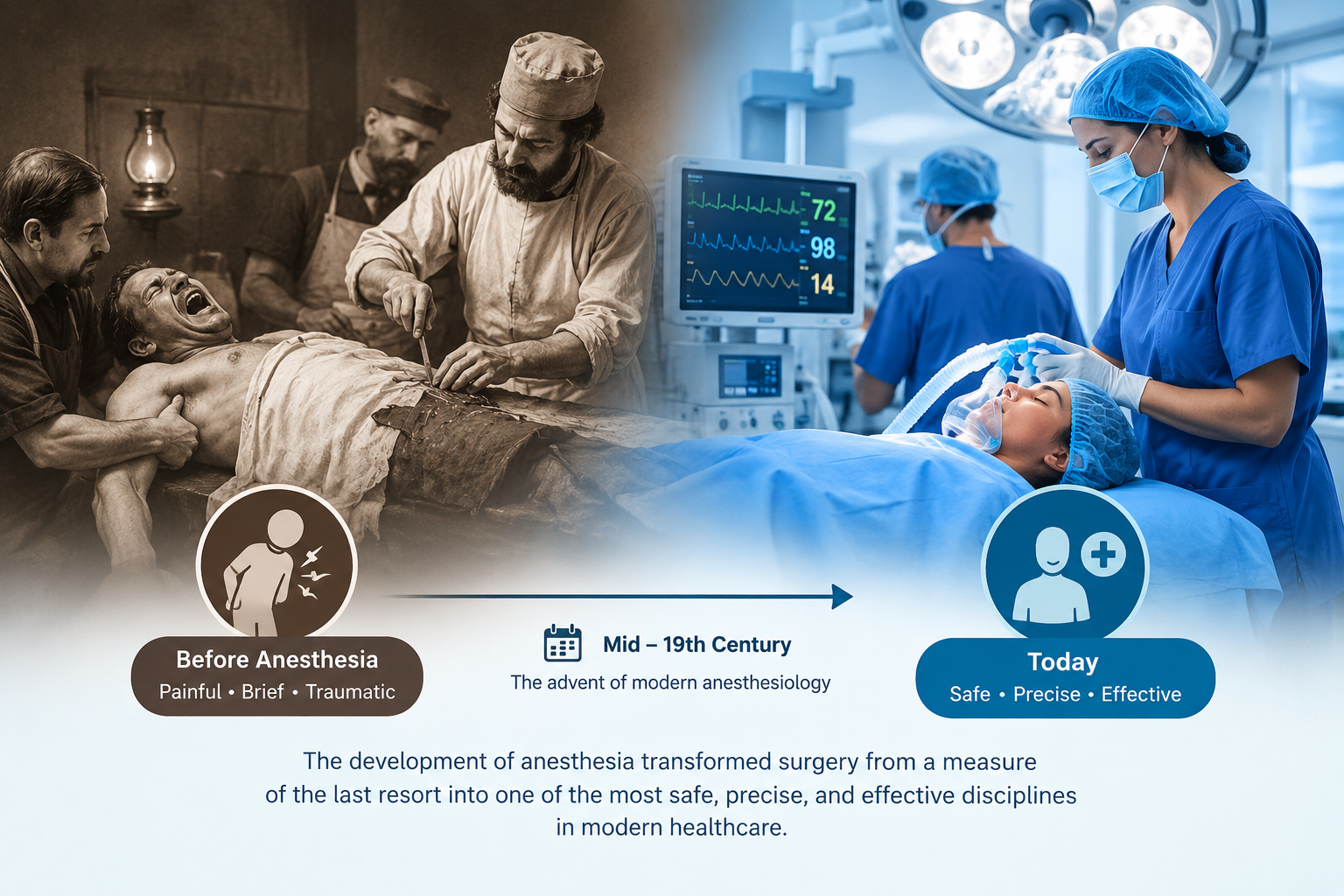
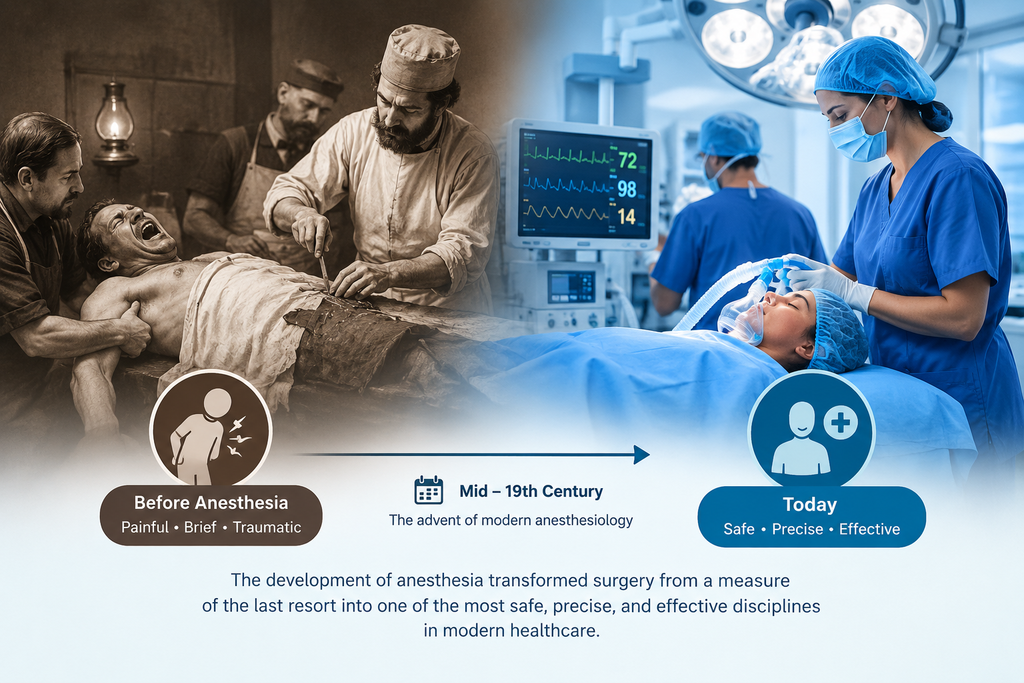
For centuries, the primary boundary of surgical medicine was human pain tolerance. Before the advent of modern anesthesiology in the mid – 19th century , operations were brief , painful and often traumatic experiences reserved only for extreme emergencies . The development of anesthesia transformed surgery from a measure of the last resort into one of the most safe , precise , and effective disciplines in modern healthcare .
What is anesthesia and why is it used?
Anesthesia is medical treatment that stops you from feeling pain during surgery or other medical procedure.
This temporarily stops you from feeling pain during surgery or medical tests.
Special medicines called anesthetics block pain signals from travelling along your nerves to your brain .
From a physiological perspective , anesthesia interrupts the nerve signals that carry pain messages from the surgical site to the brain .This reversible loss of sensation protects the body from surgical stress and trauma response . it creates an ideal environment for recovery by keeping the patient entirely still, relaxed and stress free throughout the entire procedure .
Today anesthesia makes a wide spectrum of modern healthcare possible ranging from minor outpatient biopsies and dentistry to intricate open heart surgeries , organ transplants , and emergency trauma care .without precise , tailored anesthetic agents , many life saving medical breakthrough and routine diagnostic procedure simply could not exit.
The 4 main Types
Anesthesia is divided into four primary forms , ranging from localized pain relief to complete , temporary unconsciousness :
- Local Anesthesia : Numb a single , small spot . you stay fully awake in local anesthesia . It is typically administered via direct injection , topical cream , or spray onto the skin or mucous membranes . Local anesthesia is commonly used for minor interventions , such as dental fillings , skin biopsies, or suturing a wound .
- Regional Anesthesia : Numb a larger area of the body , like an entire arm or everything below your waist . you remain awake , but feel no pain in that section . It is delivered by injecting local anesthetics near specific nerves or the spinal cord . examples of regional anesthesia are Spinal Anesthesia , Epidural Anesthesia , Peripheral Nerve Blocks
- Sedation : ( twilight sleep ) Makes you feel calm , relaxed , or sleepy for minor procedures ( like a colonoscopy). You can usually breath on your own and respond to simple questions .It is also known as conscious sedation . Sedation depresses the central nervous system to reduce anxiety , discomfort , and pain . patients remain relaxed and drowsy . This is majorly used in endoscopies , colonoscopies , or cardiac catheterizations .
- General Anesthesia : Puts your brain and whole body into a deep , temporary sleep for major operations ( like heart or abdominal surgery) you are completely unconscious , feel no pain and won’t remember the procedure . This is administered intravenously or inhaled through mask . General anesthesia require continuous monitoring of vital signs ( heart rate , blood pressure , oxygenation ) and frequently involves mechanical assistance for breathing through an endotracheal tube or laryngeal mask airway . General anesthesia is utilized for major , invasive operations such as open heart surgery , abdominal oragn resections , or major trauma procedures .
Why is Anesthesia Used?
The use of anesthesia extends beyond basic comfort . it perform vital functions in clinical practice .
- Stops Pain and Stress : It prevents physical suffering and protects your body from severe stress spikes in blood pressure and heart rate during surgery .The purpose of anesthesia is human management , it eliminating severe pain during medical procedure . Anesthesia prevent physical pain and it also suppresses the body’s acute stress response .
- Relaxes Muscles : It keeps your body completely still so surgeons can operate accurately and safely .
- Monitors Your Safety : An anesthesia professional checks your breathing, pulse , and blood pressure the entire time you are under .
- Makes Modern Surgery Possible : without it , complex procedure like organ transplants or joint replacements would be impossible to preform safely.
- Facilitating Surgical Precision and Access : For a surgeon to operate effectively , the target tissue must often remain completely motionless. So anesthesia relax skeletal muscles , preventing sudden reflexes .
- Maintaining Patient Vital Functions : Anesthesia providers continuously monitor and manage a patient’s physiological status during a procedure . They regulate fluid balance , adjust blood pressure , manage body temperature while the patient is under surgical stress ,ensuring stability throughout the operation .
- Enable Complex Medical Progress : Without general and regional anesthesia , complex operations would be impossible to perform safely . Anesthesia provides the necessary time and controlled physiological state required for intricate surgical techniques.
Conclusion
Anaesthesia is one of the foundational achievements of modern science. By safely suspending sensation, memory and awareness, it bridges the gap between surgical necessity and human tolerance. Whether numbing a minor cut or maintaining life support during complex multi hour surgeries , anesthesia ensures that modern medical care be delivered safely , humanely, and effectively.
Table of Contents
Q No1 : Why can’t I eat or drink before general anaesthesia ?
When you receive general anesthesia your body’s natural reflexes such as swallowing and coughing are temporarily paused . if food or liquid remains in your stomach , it can travel into your lungs , causing a dangerous complication known as aspiration. Fasting ensures your stomach is empty and keeps your airway safe .
Q No 2 : How long does it take for anesthesia to wear off?
Most patient wake up within minutes after the anesthesia medications are stopped . how ever , mild drowsiness, lightheartedness , or slow reaction times can last for a few hours.
Complete clearance depends on the duration of your surgery and your body’s individual metabolism .
Q No 3: Will I feel pain during the procedure ?
No . General anesthesia completely blocks pain signals to the brain , while regional or local anesthesia numbs specific nerves . The anesthesia provider contiously monitors your vital signs and adjusts medication levels to keep you completely pain free throughout the entire surgery .
Leave a Reply