Anesthesia Myths: What You Really Need to Know Before Surgery

The thought of undergoing surgery can be frightening for
anyone. While operations are often necessary for our health, it is usually not
the surgical procedure itself that causes the most anxiety, it is the thought
of being put under. anesthesia is often surrounded by mystery, leading to worry,
urban legends, and unnecessary fear. Many people worry about waking up during surgery,
feeling pain, or facing severe complication from the medication.
The truth is that modern anesthesia is safer and more precise
than it has ever been in human history. To help clear up confusion and ease
your mind before any procedure, we are busting the 7 most common anesthesia myths
with clear, simple facts.
Myth 1: “I might wake up or feel pain in the middle of
surgery
This is perhaps the single biggest fear patient have before
an operation. Movies and medical dramas love to play horror stories of patient
paralyzed on the operating table while remaining completely conscious. In reality,
accidental awareness during general anesthesia is extremely rare.
Anesthesia is not just a single dose of medicine given at the
start of surgery. it is a carefully controlled, continuous process managed by
trained professionals.
Throughout your procedure, an anesthesia specialist monitors
your heart rate, blood pressure, brain activity, and breathing every single
second. If your body shows the slightest sign of lightness or discomfort, the
medication level is adjusted instantly long before you could ever regain consciousness.
Myth 2: “Anesthesia causes permanent brain damage or memory
loss”
It is completely normal to feel groggy, confused, or
forgetful for a few hours after waking up from surgery. This temporary state is
often called “post-operative brain fog” or mild confusion, and it is a natural
reaction as your body processes and eliminates the medication.
However, modern anesthetic drugs do not cause permanent brain
damage or memory loss in healthy adults. The medication used today leave your
bloodstream relatively quickly. Any temporary fuzziness in your memory usually
clears up within 24 to 48 hours as you rest and rehydrate.
Myth 3: “Anesthesia is just like going into a very deep sleep”
Although doctors often use the phrase “putting you to sleep”
to help patient feel comfortable, general anesthesia is fundamentally different
from natural sleep.
When you go to sleep naturally at night, your brain moves
through lighter and deeper cycles of sleep, and you can be easily awakened by a
loud noise or a touch on your shoulder.
General anesthesia is a medically induced state of temporary unconsciousness
and pain relief. Your brain does not respond to pain signals, and you cannot be
woken up until the medications are reduced or reversed. This deep level of
physiological rest is what allows surgeons to perform delicate operations
safely without causing pain or stress to your body.
Myth 4: “What if I don’t wake up after the operation?”
Fear of not waking up is another common concern. However,
statistical data shows that modern anesthesia is exceptionally safe. The risk
of life-threatening complications from anesthesia alone is lower than the risk
of major everyday accidents.
Before surgery, your medical team carefully calculates anesthetic
dosages based on your exact body weight, height, age, medical history, and
overall physical health. Every dose is customized specifically for you. Once the
surgery is complete, the delivery of anesthetic gases or intravenous drugs is
turned off, and short-acting reversal agents may be used to help you wake up
smoothly and predictably.
Myth 5: “I will accidently spill all my deepest secrets when
waking up”
Many funny video online show people saying silly or
unexpected things while waking up from dental procedures or minor surgeries. This
leads people to worry that they will blurt out private secrets or embarrass
themselves in front of doctors and family members.
While you might feel slightly disoriented or chatty as you
awaken, you do not lose your core moral filter. Patient mostly ask simple
questions like “is it over yet?” or “where am I?” nurses and recovery room
staff are thoroughly accustomed to post-operative behaviour and focus entirely on
your comfort and recovery, not on what you are saying.
Myth 6: “Severe nausea and vomiting are always guaranteed”
Years ago, post-operative nausea and vomiting were very
common side effects of older anesthetic drugs. Today, medical science has made
significant advancements in minimizing post-surgery discomfort.
Modern anesthetic agents are formulated to cause far less
stomach irritation.
Furthermore, preventive anti-nausea medications are routinely
given through your intravenous during the procedure if you are at higher risk. If
you have a history of motions sickness or post-surgery nausea, simply inform
your medical team beforehand, and they will tailor your medication plan to
prevent it.
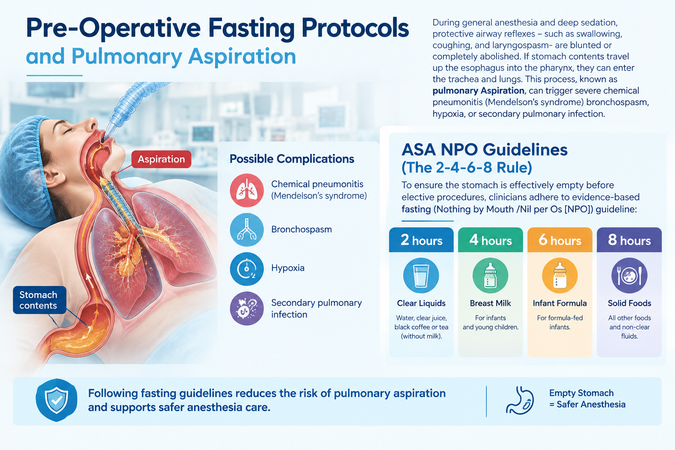
Myth 7:” skipping the No Eating or drinking rule isn’t a big
deal”
Many patients wonder why doctors strictly enforce the rule not
to eat or drink anything (fasting) for several hours before surgery.
Some assume a light snack or a small sip of water won’t hurt,
but this safety rule is critical.
When you are under general anesthesia, your body’s natural
reflexes such as swallowing and coughing are temporarily paused. If there is
food or liquid in your stomach, it could travel up into your throat and enter
your lungs, leading to a serious condition called aspiration. Following fasting
instructions carefully is one of the easiest and most effective ways you can
contribute to your own surgical safety.
Conclusion
Anesthesia can feel mysterious and frightening, but
understanding how it works removes much of the anxiety. Today’s anesthesia
protocols rely on advanced monitoring technologies, highly refined medications,
and tailored patient care to keep you safe and comfortable throughout your
procedure.
If you have an upcoming surgery, remember that the best way to
handle your anxiety is open communication. Do not hesitate to share your
concerns, medical history, and question with your doctor or anesthesia provider
they are there to ensure your experience is as smooth, painless, and safe as
possible.
Table of Contents
Q No 1: How long does it take for general anesthesia to leave your system?
Most modern anesthetic medications
start wearing off within 1 to 2 hours after your procedure ends, allowing you
to wake up safely. However, full clearance from your body typically takes
around 24 hours, which is why doctors advise resting and avoiding driving or
making important decisions during that time.
Q No 2: What should I do if I have a history
of severe motion sickness or post-surgery nausea?
Be sure to inform your anesthesia team during your pre-operative evaluation. Anesthesiologists can administer preventive anti-nausea medications directly into your intravenous during the surgery to significantly reduce or eliminate post-operative discomfort. kindly review my article and let me know the ……………………Please audit this article and let me know if there is any mistake
Leave a Reply